
Pulmonary/Critical Care Fellowship
Find out about the Pulmonary/Critical Care Fellowship from our fellows and faculty.
Learn more about residencies and fellowships at the University of South Alabama and life on the Gulf Coast.
Message from the Program Director
Welcome to the University of South Alabama Pulmonary and Critical Care Medicine Fellowship Program
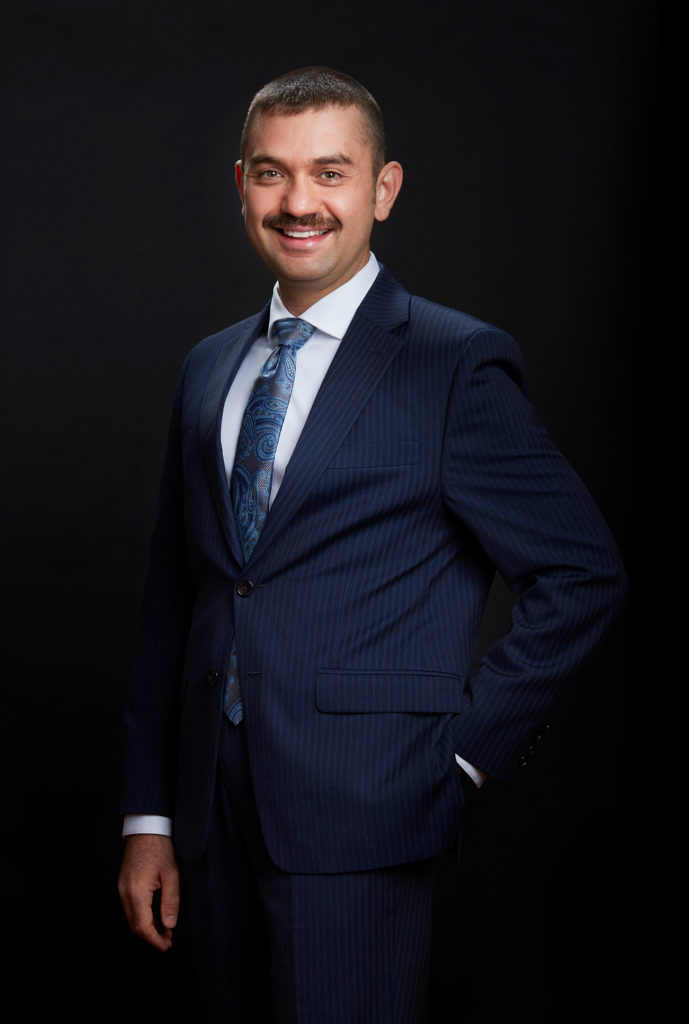 Thank you for your interest in our Pulmonary and Critical Care Medicine Fellowship
Program at the University of South Alabama. We are proud to offer a comprehensive,
three-year, ACGME-accredited training program dedicated to developing outstanding
pulmonologists and intensivists who are clinically skilled, academically engaged,
compassionate, and prepared to become leaders in their field.
Our fellowship is based within USA Health, a growing academic health system serving Mobile, Alabama, and the surrounding Gulf Coast region. Our fellows benefit from a diverse patient population, a broad spectrum of pulmonary and critical care diseases, and extensive clinical experience across multiple training environments, including USA Health University Hospital and Providence Hospital. These settings provide exposure to complex medical conditions, critically ill patients, and both common and highly specialized pulmonary disorders.
Comprehensive Clinical Training
One of the greatest strengths of our program is the breadth and depth of clinical experience. Fellows receive extensive training in medical critical care, inpatient pulmonary consultation, and outpatient pulmonary medicine, with progressive responsibility and graduated autonomy throughout their three years of fellowship.
Our program offers specialized clinical exposure in pulmonary hypertension, interventional pulmonology, advanced diagnostic bronchoscopy, pleural diseases, thoracic oncology, and interstitial lung diseases. Fellows develop expertise in managing critically ill patients, including those requiring advanced mechanical ventilation, hemodynamic monitoring, and complex multidisciplinary care. Our critical care training also includes exposure to extracorporeal membrane oxygenation (ECMO) at Providence Hospital, providing fellows with valuable experience in the management of patients requiring advanced cardiopulmonary support.
Procedural training is a cornerstone of our fellowship. Fellows gain extensive hands-on experience in flexible bronchoscopy, endobronchial ultrasound (EBUS), advanced airway management, thoracentesis, chest tube placement, and other essential pulmonary and critical care procedures. Our expanding interventional pulmonology program incorporates robotic-assisted bronchoscopy, offering fellows exposure to advanced technologies in the diagnosis and management of pulmonary diseases.
We also emphasize bedside ultrasonography through a structured point-of-care ultrasound (POCUS) curriculum, including pulmonary and pleural ultrasound, critical care echocardiography, and ultrasound-guided procedures. This training is integrated into daily clinical practice to strengthen diagnostic skills, procedural safety, and clinical decision-making.
A Supportive Learning Environment
At the heart of our program are our fellows, faculty, and the relationships we build together. We believe that exceptional physicians are developed through a combination of rigorous clinical training, strong mentorship, intellectual curiosity, and a supportive educational environment.
Our faculty bring diverse clinical interests and expertise, creating opportunities for individualized mentorship and professional development. We encourage open communication, collaboration, and active fellow participation in shaping the educational experience. Our goal is to foster a culture where fellows feel supported, challenged, respected, and empowered to grow into confident, independent physicians.
We recognize that every fellow enters training with unique interests and career aspirations. Whether your goal is academic medicine, clinical practice, interventional pulmonology, pulmonary hypertension, or a career focused on critical care medicine, we are committed to helping you develop the skills and experiences necessary to succeed.
Academic Excellence, Research, and Innovation
Beyond clinical training, we place a strong emphasis on scholarly activity, evidence-based medicine, quality improvement, and lifelong learning. Fellows are encouraged to participate in clinical research, present their work at regional and national scientific meetings, and contribute to initiatives that advance patient care.
A distinctive strength of our academic environment is our collaboration with the University of South Alabama Center for Lung Biology, which provides opportunities for fellows interested in basic science and translational research. Through collaboration with investigators and research faculty, fellows can explore fundamental mechanisms of pulmonary disease and participate in research that bridges laboratory discoveries with clinical applications. These opportunities complement our clinical research activities and support fellows interested in pursuing careers in academic medicine and physician-scientist development.
Our structured educational curriculum includes didactic conferences, case-based discussions, journal clubs, multidisciplinary conferences, simulation-based learning, and opportunities for teaching medical students and residents. We strive to develop not only excellent clinicians but also thoughtful educators, investigators, and future leaders in pulmonary and critical care medicine.
As USA Health continues to expand its clinical programs, research collaborations, and advanced technologies, our fellowship continues to evolve, offering exciting opportunities for innovation, collaboration, and professional growth.
Life in Mobile and the Gulf Coast
Mobile offers an exceptional place to live and train. Located along the beautiful Gulf Coast, our city combines Southern hospitality, rich history, cultural diversity, and an affordable cost of living. From its vibrant downtown and renowned Mardi Gras traditions to nearby beaches, outdoor recreation, and excellent dining, Mobile provides an outstanding quality of life outside the hospital.
A Personal Invitation
As Program Director, I consider it a privilege to work alongside our fellows and faculty and to participate in the development of the next generation of pulmonary and critical care physicians. I believe that the success of a fellowship program is measured not only by the clinical knowledge and procedural skills of its graduates but also by their confidence, professionalism, compassion, and commitment to the patients and communities they serve.
Our mission is to provide an educational experience that is both challenging and rewarding, preparing our graduates to excel in whatever career path they choose.
I invite you to explore our program, meet our faculty and fellows, and discover what makes the University of South Alabama a special place to train. We look forward to welcoming the next generation of pulmonary and critical care physicians to our team.
Philip Almalouf, M.D.
Program Director, Pulmonary and Critical Care Medicine Fellowship
University of South Alabama
USA Health | Department of Internal Medicine
Division of Pulmonary and Critical Care Medicine
Program Aims
- Graduate compassionate and empathetic fellows who have the technical and intellectual ability to practice and teach Pulmonary and Critical Care medicine at a high level either at academic training centers or in community hospitals.
- Provide fellows with an in-depth research experience so they can determine whether they are interested in pursuing a career as a physician-scientist.
- Provide a supportive environment that promotes fellow and faculty wellness.
Conferences and Meetings
Numerous in-house conferences and seminars are available both within the Department of Medicine and the Pulmonary/Critical Care Division as well as other clinical and basic science departments within the College of Medicine. Required conferences for the pulmonary/CC fellow include Medical Grand Rounds, medicine noon conference and two weekly Pulmonary Division conferences including core curriculum conferences and clinical conferences (which include case conferences as well as Journal clubs and research conferences). Other conferences for research fellows include the Center for Lung Biology Research in Progress conferences, Distinguished Scientist Seminars and other College of Medicine seminars. The fellow will actively participate and be present at these conferences as part of the educational program.
The Pulmonary Division participates in the Tri-State Thoracic Case Conference held annually and attended jointly by the Thoracic Societies and fellowship programs in Louisiana, Mississippi and Alabama; fellows are required to present interesting and challenging cases. Fellows are expected to present results of clinical and/or basic research studies at appropriate national meetings such as the annual American Thoracic Society Meeting and the annual American College of Chest Physicians Meeting.
Teaching Responsibilities
Fellows are responsible for presenting topics at the noon Medicine conference, as well as presentations to the Pulmonary Division at the weekly clinical conferences. In addition, fellows actively participate in the infectious disease and tuberculosis conferences. The fellows are an active participant in the teaching of housestaff and students on the clinical rotations.
Procedural Skills
The fellow will achieve clinical competence in non-invasive and invasive procedures including, but not confined to the following:
- Flexible bronchoscopy and accompanying procedures
- Endobronchial ultrasound (EBUS) guided biopsies
- Electromagnetic Navigational Bronchoscopy (ENB)
- Robotic bronchoscopy
- Paracentesis
- Lumbar puncture
- Central line placement
- Arterial line placement
- Placement of pulmonary artery balloon flotation catheters (Swan Ganz catheters)
- Calibration and operation of hemodynamic recording systems
- Supervision of the technical aspects of pulmonary function testing
- Cardiopulmonary exercise testing
- Insertion and management of chest tubes
Research Training
All fellows will participate in research during their 3 years of training with the intent to train academic physicians. Extensive research time is provided in order to maximize opportunities for career interests to develop. Fellows may choose mentors and projects ranging from clinical research, transitional research, or basic science research in the Center for Lung Biology on the main USA campus. Fellows are expected to present their research at local and international conferences and prepare manuscripts for publication. Fellows will also be expected to write grant applications whenever appropriate.
Required Conferences
- Core Curriculum Conferences - every Friday at 1 p.m. - coordinated by the Program Director
- Monthly Research Conference - one Friday per month at 2 p.m. - assigned CLB Members (Postdoctoral Fellow)
- Monthly Journal Club - one Friday per month at 2 p.m. - coordinated by assigned faculty members
Clinical Conferences
- Pulmonary Case Conferences - two Fridays per month at 2 p.m. - coordinated by Program Director and supervised by faculty members.
- Medicine Grand Rounds - every Thursday at 8 a.m. - 2nd floor conference room
- Pathology Conferences - last Monday of the month at 1 p.m. - coordinated by Pathology Chief Resident. All fellows on clinical rotations meet to review all specimens submitted to Pathology from their patients.
Combined Conference Schedule
Download the Combined Pulmonary Division/CLB Conference Schedule [PDF]
All fellows in Pulmonary and Critical Care medicine are expected to achieve excellence in the following core competencies at the completion of 3 years of training:
Medical Knowledge
 Demonstrate knowledge of the evolving pathophysiological (basic and clinical sciences),
epidemiological, and behavioral sciences in pulmonary and critical illness and the
application of this knowledge to patients. This includes critical assessment of the
literature and scientific method applied to that literature, evidence-based decision-making
and life-long learning.
Patient Care
Provide comprehensive, compassionate, and appropriate care to patients with a wide
variety of pulmonary and critical illnesses. This includes the appropriate use of
diagnostic and therapeutic tools below:
- Perform and document history & physical examination
- Formulate differential diagnosis
- Obtain and document informed consent
- Perform pulmonary artery catheterization
- Order appropriate consults
- Understand the role of the pulmonary & critical care physician as a consultant to other physicians
- Perform arterial catheterization
- Interpret hemodynamic parameters in critically ill patients
- Perform diagnostic flexible fiberoptic bronchoscopy
- Interpret chest radiographs and CT images of the chest
- Interpret therapeutic drug levels for antibiotics and other drugs
- Understand the basic fundamentals of sleep polysomnography interpretation
- Interpret pulmonary function tests including spirometry, lung volumes, diffusing capacity, and methacholine challenge testing
- Interpret cardiopulmonary exercise testing
- Perform orotracheal and nasotracheal intubation
- Perform basic and advanced cardiac life support
- Manage mechanical ventilation in acute and chronic respiratory failure
- Request continuous renal replacement therapies when appropriate
- Perform electrical cardioversion
- Perform transcutaneous cardiac pacing
- Order continuous sedatives and analgesics in the critically ill
- Perform monitored conscious sedation for invasive procedures
- Perform intravenous anesthetic induction for intubation
- Manage complex fluid and electrolyte disorders
- Perform intravenous thrombolytic therapy
- Order appropriate pharmacologic therapy for management of circulatory shock and related disorders
- Order parenteral nutrition during critical illness
- Perform emergency pericardiocentesis
- Perform thoracentesis
- Perform tube thoracostomy
- Perform therapeutic bronchoscopy
- Perform bronchoscopy with transbronchial biopsy
- Perform Endobronchial Ultrasound (EBUS) guided biopsy
- Perform Electromagnetic Navigational Bronchoscopy (ENB)
- Perform emergency cricothyrotomy
Practice-based Learning and Improvement
Develop skills to assess care of patients and identify areas needing improvement in their own practice of pulmonary and critical care medicine. Additionally, the fellow will identify interventions to improve care of patients and assess the outcomes of those interventions.
Interpersonal and Communication Skills
Demonstrate interpersonal and communication skills that facilitate an effective physician-patient relationship, as well as exchange of information and relationships with other health professionals and the community at large.
Professionalism
Fellows will demonstrate professional and ethical behaviors in the practice of medicine including demonstrating respect of others, recognition of the diversity of others including race, age, gender, religion, etc. This also includes timely, accurate, communications with other healthcare professionals, ethical and accurate record keeping and business practices, and participation in professional development as well as participation in required conferences and other educational programs.Systems-based Practice
Fellows will demonstrate understanding of the various patterns of healthcare delivery and the role of the physician in those systems and the utilization of resources to provide care of patients with pulmonary and critical illnesses.


Garrett Reid McClenny, M.D.
PGY V
garrettmcclenny@health.southalabama.edu
University of South Alabama College of Medicine


Aaron Paille, M.D.
PGY V
apaille@health.southalabama.edu
Louisiana State University School of Medicine New Orleans

Nathaniel Van Horn, M.D.
PGY V
nvanhorn@health.southalabama.edu
Louisiana State University School of Medicine in Shreveport


Anoohya Vangala, M.D.
PGY IV
avangala@health.southalabama.edu
All-India Institute of Medical
Sciences
There are currently nine fellows in our Pulmonary and Critical Care Medicine Training Program. The University of South Alabama program participates in ERAS (Electronic Residency Application Service). Three pulmonary/critical care fellowships are available each year on a competitive basis. ERAS opens to applicants July 1st. Interviews are conducted from late August through October. To apply, submit the following via ERAS:
- Official college, graduate school, and medical school transcripts
- An official record of board scores (NMBE, FLEX, USMLE, LMCC, COMLEX)
- A program director letter and two other letters of recommendation
- A curriculum vitae
- A personal statement
- A valid ECFMG certificate (if you graduated from medical school outside of the United States or Canada)
- Three years of postgraduate training in an accredited internal medicine program in the U.S. or Canada.
Application Deadline: August 20
Interviews are by invitation only.
U.S. citizen, legal permanent resident or J-1 visa only.
It is the policy of the University of South Alabama College of Medicine that the following fee structure applies to requests for postgraduate training verification:
- $25.00 - Verification of training dates and/or program completion - to be used for credentialing
purposes only and is issued in response to a request by a hospital or other agency
with a valid authorization for release of information
- $50.00 - Verification of training dates, program specifics on training, including procedures,
commentary on performance, etc., on institution or agency's form with a valid authorization
for release of information
- $75.00 - Verification of training dates, program specifics, narratives on resident performance with a valid authorization for release of information
Payment by check is to be submitted with the verification request mailed and made payable to:
South Alabama Medical Science Foundation (SAMSF)
University of South Alabama
Pulmonary and Critical Care Medicine
Attention: Verifications
2451 University Hospital Dr., Mastin Bldg. Suite 400-G
Mobile, Alabama 36617
Requests submitted without payment will not be processed. Requests are to be specific and an authorization for release form must be included. Please send all requests to the address above. Note: Federal government agencies are exempt of any fees.
Philip Almalouf, M.D., Assistant Professor of Medicine
Program Director
USA Health University Hospital
Department of Internal Medicine
Division of Pulmonary and Critical Care Medicine
2451 University Hospital Dr.
Mastin Professional Building
4th Floor; Suite 432
Mobile, AL 36617
Phone: (251) 471-7914 | Fax: (251) 471-7889
palmalouf@health.southalabama.edu
Brian W. Fouty, M.D., Professor Clinical Services Pulmonary
Center for Lung Biology
Associate Program Director
USA Health University Hospital
Department of Internal Medicine
Division of Pulmonary and Critical Care Medicine
2451 University Hospital Dr.
Mastin Professional Building
4th Floor; Suite 432
Mobile, AL 36617
Phone: (251) 460-7218 | Fax: (251) 471-7889
bfouty@health.southalabama.edu
Katrice Phillip
GME Program Coordinator
USA Health University Hospital
Department of Internal Medicine
Division of Pulmonary and Critical Care Medicine
2451 University Hospital Dr.
Mastin Professional Building
4th Floor; Suite 432
Mobile, AL 36617
Phone: (251) 471-7847 | Fax: (251) 471-7889
krphillip@health.southalabama.edu